
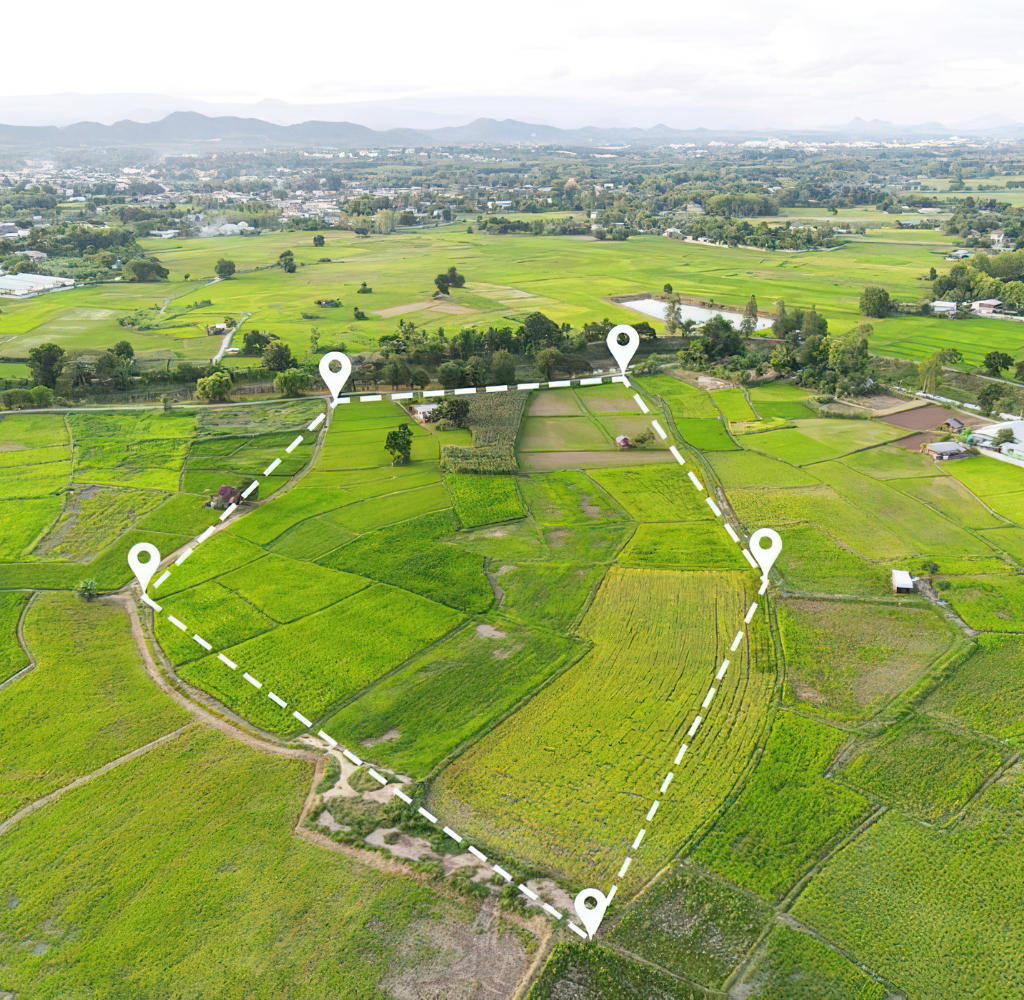
A commercial lot can look perfect from the road. Good frontage, a busy intersection, plenty of rooftops nearby. But the details that decide whether a site actually works are usually the ones you cannot see from the car.
After more than 35 years in real estate, Bryant Mercier has watched buyers spend thousands on due diligence for sites that were never going to work. Here are six things worth checking before you make an offer. (Want someone to handle these checks for you? See how our buyer representation services work.)
1. Zoning and future land use
Zoning tells you what can be built on a property today. The future land use designation tells you what the county plans for that area over time. Both matter.
A parcel zoned for general commercial use may allow retail, office or service businesses, but specific uses can still require special approval. If your plans do not match the current zoning, a rezoning is possible, but it takes time, money and public hearings, with no guaranteed outcome.
Tip: Confirm the exact zoning with the county before you sign a contract, not after. Zoning maps and planning information are available on the Pasco County and Hillsborough County websites.
2. Water and sewer availability
This is one of the most common deal breakers. Some parcels have city or county utilities at the property line. Others are a long and expensive extension away. Without central sewer, you may be limited to a septic system, which can restrict what you can build.
Ask the utility provider directly whether service is available, where the nearest connection is and what capacity exists.
3. Access and traffic
Frontage on a busy road does not automatically mean easy access. State and county roads have rules about where new driveways can go, and a median can block left turns into your site. Check whether access is already approved or whether you will need a permit, and look at how customers will actually get in and out.
4. Flood zone and drainage
Much of Florida sits in or near a flood zone. A property’s FEMA flood designation affects construction requirements, insurance costs and, in some cases, how much of the site you can use. Stormwater retention can also take up more land than buyers expect, which reduces the buildable area. You can look up the flood zone for any address on the FEMA Flood Map Service Center.
5. Wetlands and environmental conditions
Wetlands, protected species and past uses of the property can all limit development. A former gas station or industrial site may need an environmental assessment before a lender will finance it. Knowing this early saves time and protects your budget. The EPA explains environmental site assessments in its guide to All Appropriate Inquiries, and the Florida Department of Environmental Protection oversees wetland permitting in the state.
6. Financing before you fall in love
Land loans work differently from loans on improved property. Lenders often require larger down payments and look closely at your development plan. Talk to a lender early so you know what you can realistically finance before you commit to a site. Business owners buying land for their own use may also want to look into the SBA 504 loan program.
Before focusing entirely on real estate, Bryant spent a decade working in residential and commercial lending. That background helps buyers understand financing from the start, not at the last minute.
The bottom line
The right piece of land can be a great long-term investment. The wrong one can drain your budget before you ever break ground. Doing these checks early helps you walk away from bad sites quickly and move confidently on good ones.
Ready to start looking? Tell us what you need and we will help you find the right site. Already own land you are thinking about selling? You can list your property with us.